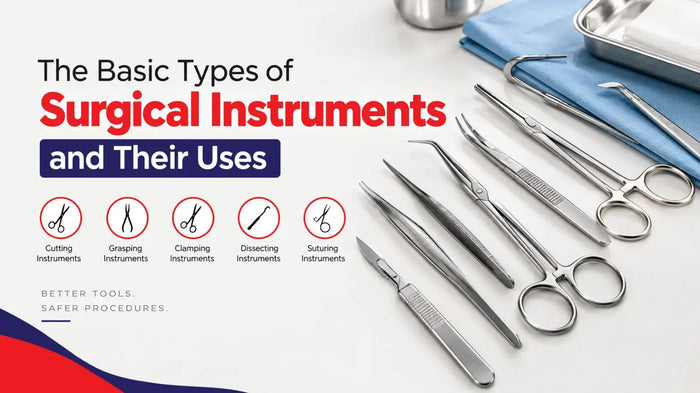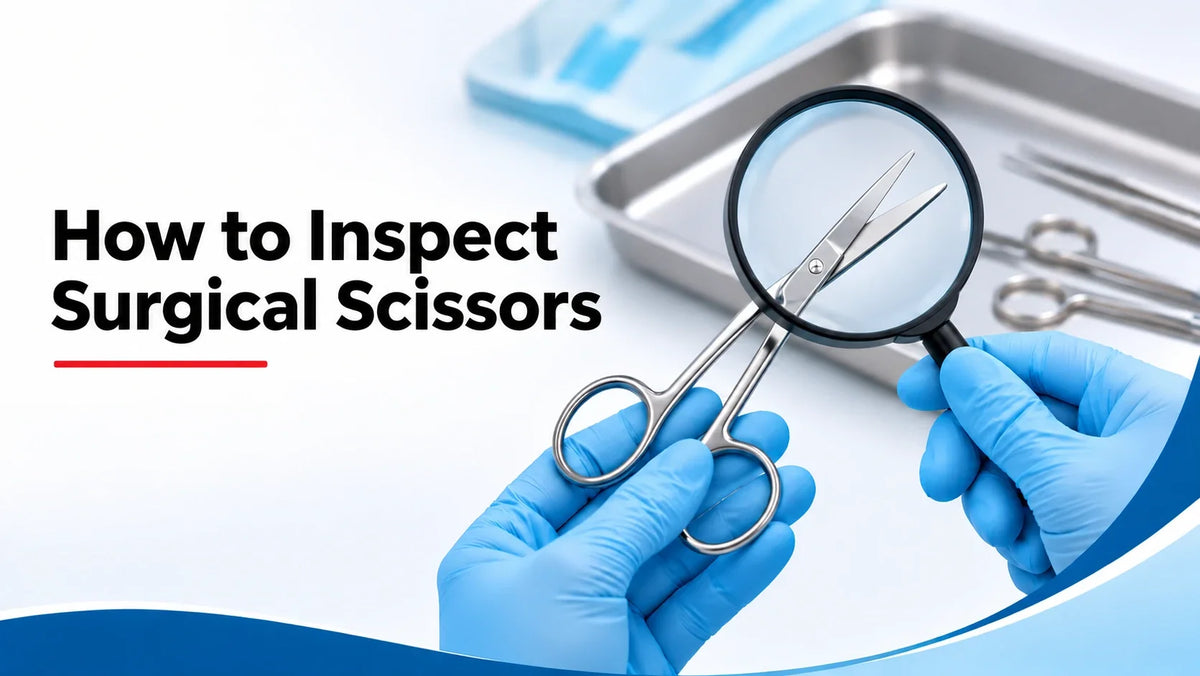
A six-step checklist covering the pivot, blades, tips, shanks, and ring handles, plus common problems and care tips.
To inspect surgical scissors, check the pivot joint, blade alignment, cutting edges, tips, shanks, and both ring handles. Look for rust, cracks, loose joints, bent parts, and dull or damaged blades. Open and close the scissors gently to check smooth movement. Remove any damaged instrument from service for professional assessment.
Surgical scissors are important instruments used by dental professionals, surgeons, and healthcare workers for different procedures. They are designed to provide accurate cutting, smooth handling, and reliable performance.
However, regular use, cleaning, and sterilization can affect their condition over time. Even a small problem, such as a loose joint, damaged blade, or bent tip, can affect how the scissors work.
That is why it is important to inspect surgical scissors regularly. A proper surgical scissors inspection helps identify damage early, supports instrument performance, and helps maintain safe working conditions.
In this guide, we will explain how to inspect surgical scissors, what problems to look for, and how proper care can help extend their service life. If you are building or refreshing your dental surgical instruments kit, this checklist is a good place to start.
Why Is It Important to Inspect Surgical Scissors?
Surgical scissors are precision instruments. Their blades, handles, and connecting joint must work properly to provide smooth and controlled cutting.
Regular inspection helps professionals:
- Identify damaged or worn parts.
- Check blade sharpness and alignment.
- Find rust, stains, or corrosion.
- Detect loose joints and other mechanical problems.
- Maintain proper instrument performance.
- Decide when an instrument needs repair or replacement.
Inspecting scissors before they are packed for sterilization and use is an important part of dental instrument care.
6 Important Steps to Inspect Surgical Scissors
A complete inspection should cover the main parts of the instrument. Here are six important areas to check.
Check the Pivot and Screw
The pivot is the joint that connects the two blades and allows the scissors to open and close. It plays an important role in the movement and alignment of the instrument. To inspect the pivot, gently open and close the scissors several times. Look for:
- A loose or unstable joint.
- Excessive side-to-side movement.
- A damaged or missing screw.
- Rust or corrosion around the joint.
- Stiff or uneven movement.
- Unusual resistance when opening or closing.
The scissors should move smoothly according to their design. If the joint feels too loose or difficult to move, the instrument should be checked by a qualified technician.
Inspect the Blade Alignment
Both blades must meet correctly for the scissors to work as intended. Poor alignment can affect cutting performance and may damage the instrument further. Close the scissors slowly and observe how the blades come together. Check for:
- Bent or twisted blades.
- Uneven contact between the blades.
- Visible gaps where the blades should meet.
- Scratches or damage along the blade surface.
- Unusual movement during opening and closing.
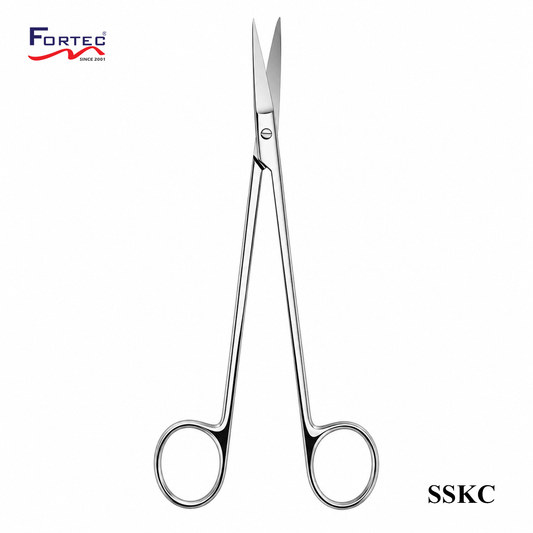
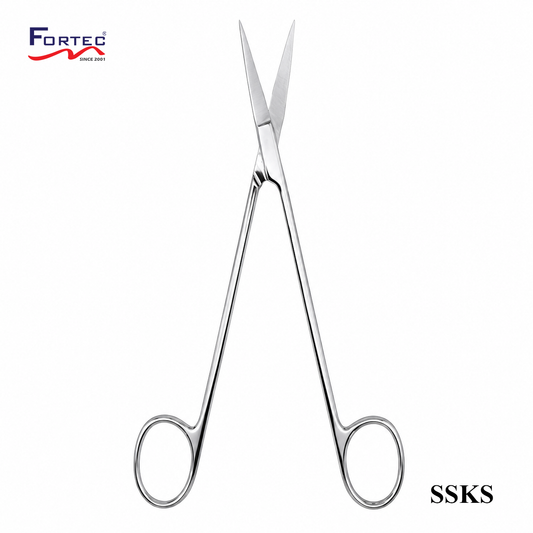
Remember that different types of surgical scissors have different blade designs. For example, Kelly curved scissors and Mayo straight blunt scissors look and close differently. Always compare the instrument with its original design rather than expecting every pair to look the same.
Examine the Cutting Edges and Tips
The cutting edges are among the most important parts of surgical scissors. Damaged or dull blades may not provide the expected cutting performance. Inspect the blades under good lighting. A magnifying tool can also help identify small defects. Look for:
- Dull or worn cutting edges.
- Small chips or nicks.
- Rough or uneven blade edges.
- Bent or damaged tips.
- Rust or corrosion.
- Visible cracks or surface damage.
The tips should also be checked carefully. Some surgical scissors have sharp tips, while others have blunt or rounded tips.
If the blades show visible damage or do not cut as intended, remove the scissors from service for further assessment. Scissors used mainly for sutures, such as suture scissors, should be checked just as carefully as general-purpose scissors.
Shop Surgical Scissors at Fortec
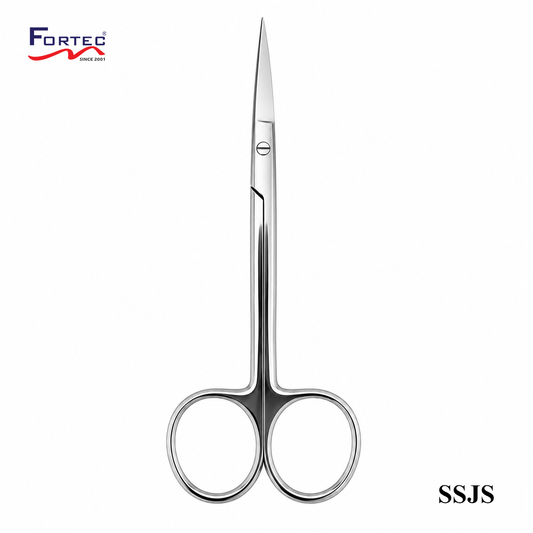
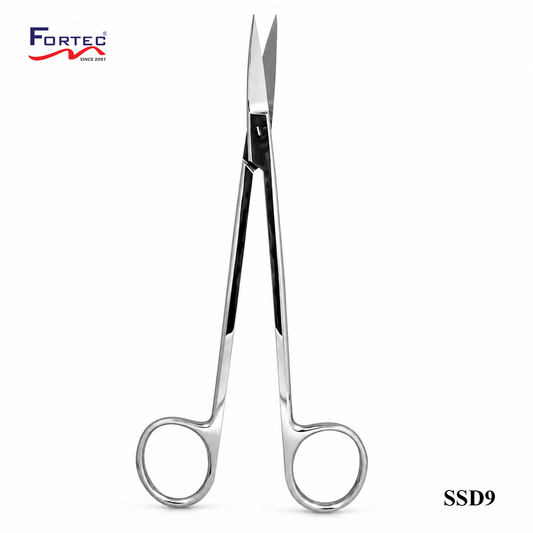
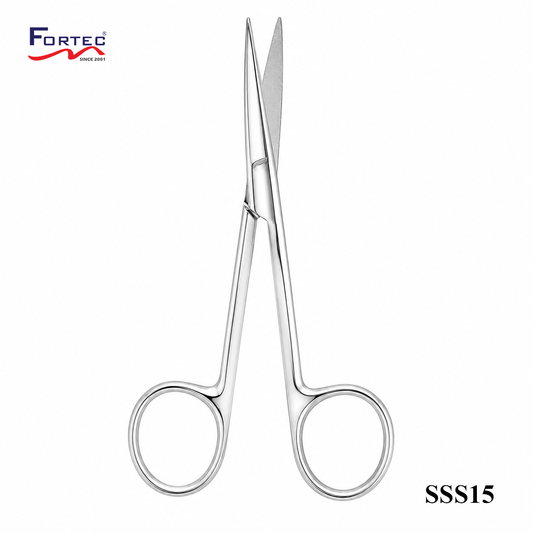
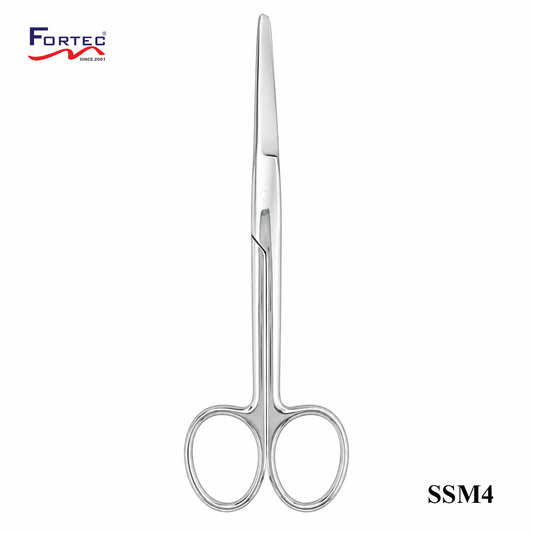
Looking for reliable dental surgical scissors in Canada? Fortec International offers a range of surgical scissors for cutting tissue, sutures, and surgical materials, with free Canada-wide shipping on orders over $99 before taxes. Here are some of the options available right now.
Inspect the Shanks
The shanks are the sections that connect the handles to the pivot and blades. They help maintain the overall structure of the scissors. Although they may look simple, damaged shanks can affect the balance and movement of the instrument. Check both sides for:
- Bending or twisting.
- Visible cracks.
- Dents or scratches.
- Rust or corrosion.
- Uneven surfaces.
- Signs of physical damage.
The shanks should maintain their original shape. If any part appears bent or damaged, the instrument should be assessed before further use.
Check the First Ring Handle
Ring handles help users hold and control surgical scissors during procedures. They should be comfortable, stable, and free from damage. Carefully inspect the first ring handle from the outside and inside. Look for:
- Cracks or breaks.
- Bent or uneven shape.
- Sharp or rough edges.
- Rust or corrosion.
- Surface damage.
- Loose connections.
Pay attention to the inside of the ring because small cracks or rough areas can sometimes be missed during a quick inspection.
Inspect the Second Ring Handle
The second ring handle needs the same attention as the first. Checking only one handle may cause you to miss damage on the other side. Make sure to examine:
- The overall shape of the ring.
- The inner and outer surfaces.
- Any cracks or sharp edges.
- The connection between the ring and shank.
- Alignment with the opposite handle.
Both handles should remain structurally sound and allow normal handling of the instrument.
When Should You Inspect Surgical Scissors?
Surgical scissors should be inspected as part of a regular instrument care process. Important inspection times include:
After CleaningCheck for remaining dirt, stains, and visible damage.
Before PackagingMake sure the instrument is clean and in suitable condition before it is prepared for sterilization.
During Routine MaintenanceCheck for wear, corrosion, and mechanical problems.
Before UseConfirm that the processed instrument is intact and functions as intended.
Inspection does not replace cleaning or sterilization. Reusable instruments must be cleaned, disinfected, and sterilized according to their intended use, the manufacturer's instructions, and the healthcare facility's approved procedures.
The CDC recommends thorough cleaning of reusable medical instruments before disinfection or sterilization and checking equipment for damage that could affect proper processing.
Common Problems to Look for During Inspection
Some problems may not be easy to notice at first. The following table explains common issues and the appropriate next step.
| Common Problem | What to Check | Recommended Action |
|---|---|---|
| Loose pivot | Excessive movement or unstable joint | Send for assessment |
| Dull blades | Reduced cutting performance | Professional sharpening or replacement |
| Bent blades | Uneven blade alignment | Remove from service |
| Rust or corrosion | Spots, pitting, or surface damage | Assess and investigate the cause |
| Damaged tips | Chips, cracks, or bent ends | Remove for assessment |
| Bent shanks | Twisting or deformation | Qualified repair or replacement |
| Damaged handles | Cracks or sharp edges | Remove from service for assessment |
Do not continue using damaged scissors simply because the problem appears small. Follow your facility's instrument management procedure to determine whether the scissors can be repaired or need replacement.
Fortec supplies Canadian dental and surgical professionals with instruments built for everyday clinical use. Browse our scissors range and find the right pair for your practice.
Browse Scissors Collection →How to Maintain Surgical Scissors Properly
Proper maintenance can help keep surgical scissors in good condition and reduce unnecessary wear. For more guidance, see Fortec's pages on instruments care and maintenance care. Here are some useful care tips:
Clean Instruments PromptlyRemove visible contamination as soon as practical after use. Dried blood and other materials can become difficult to remove and may affect the instrument's surface. Always follow the recommended cleaning procedure.
Use Compatible Cleaning ProductsChoose cleaning solutions that are suitable for the instrument's material. Avoid chemicals that may damage stainless steel or other instrument components.
Dry the Scissors ProperlyAfter cleaning and rinsing, dry the instrument according to the manufacturer's instructions. Remaining moisture can contribute to staining and corrosion.
Lubricate When RequiredSome scissors may require instrument lubricant to maintain smooth joint movement. Use only an approved lubricant that is compatible with the instrument and its reprocessing method.
Handle and Store CarefullyAvoid dropping surgical scissors or storing them loosely with heavy instruments. Storing them in organized instrument cassettes helps protect the blades and tips from unnecessary damage.
Follow Sterilization InstructionsAlways follow the manufacturer's instructions and your facility's validated sterilization procedures. Do not assume that all instruments can be processed using the same method.
What Should You Do If Surgical Scissors Are Damaged?
If you notice any damage during inspection, do not return the scissors to a ready-to-use instrument set. Instead:
- Remove the damaged scissors from service.
- Identify and document the visible problem according to your facility's procedure.
- Send the instrument for professional assessment.
- Arrange approved repair, sharpening, or replacement where appropriate.
- Inspect the instrument again before returning it to service.
Scissors with broken tips, serious corrosion, cracked handles, or poor blade alignment should not be used until they have been properly assessed.
Final Thoughts
Inspecting surgical scissors is an important part of maintaining dental and surgical instruments. Checking the pivot, blade alignment, cutting edges, shanks, and both ring handles can help identify common problems before they become more serious.
Regular inspection, proper cleaning, careful handling, and correct storage can support reliable instrument performance and help extend the working life of surgical scissors.
For dental professionals, choosing suitable instruments and following proper maintenance procedures are both important steps toward maintaining an organized and reliable clinical environment.
Looking for quality instruments for your dental practice? Explore the Surgical Scissors Collection at Fortec to find different options for professional dental and surgical applications. You can also browse general scissors and suture scissors for other cutting needs.
Shop Surgical Scissors →